Roof Assessment and Panel Installation in Poland
Practical criteria for evaluating roof suitability, panel orientation, shading losses, and the steps from site survey to commissioning.
A reference on photovoltaic systems — from roof assessment and panel selection to inverter sizing and connecting to the Polish distribution grid.
Reference Articles
Detailed breakdowns of the key decisions involved in planning and commissioning a residential PV system in Poland.
Practical criteria for evaluating roof suitability, panel orientation, shading losses, and the steps from site survey to commissioning.
String, micro, and hybrid inverter types compared — sizing rules, efficiency metrics, and compatibility with Polish grid standards.
Application procedures with local distribution system operators, metering rules under the prosumer framework, and energy settlement options.
Key Facts
Minimum Roof Pitch
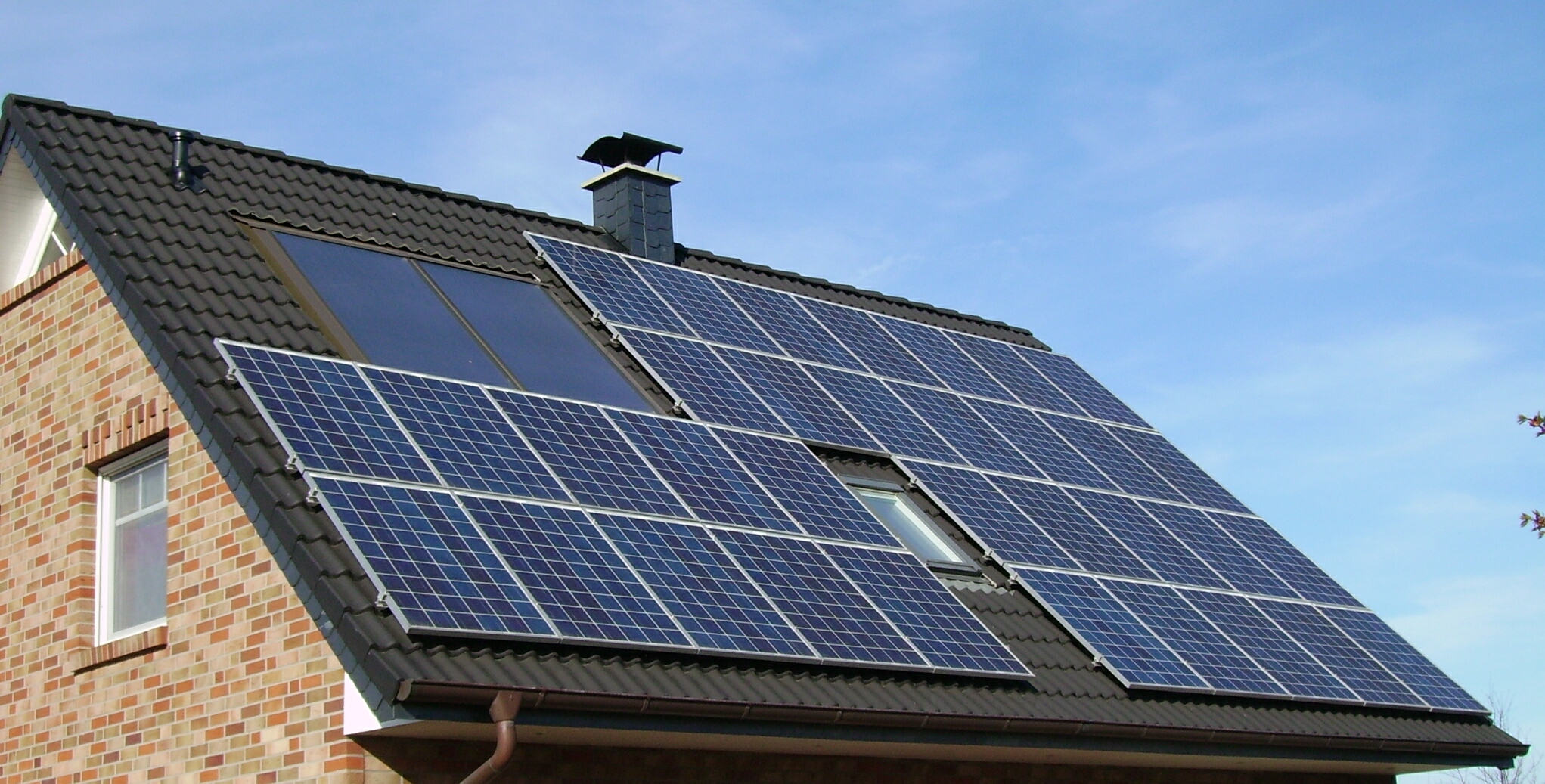
A roof pitch of at least 6° is sufficient for panel drainage and self-cleaning in rain. Steeper pitches between 30° and 45° are considered optimal for year-round generation in central Poland's latitude band.
Distribution Operators in Poland
Poland's electricity distribution is managed by five major DSOs — PGE Dystrybucja, Tauron Dystrybucja, Enea Operator, Energa-Operator, and innogy Stoen Operator — each with their own connection application forms and timelines.
Typical String Inverter Efficiency
Modern string inverters from major manufacturers achieve peak efficiencies above 98%. European weighted efficiency (EU efficiency) is often a more representative figure for Polish climate conditions than peak efficiency alone.
Context
Regulatory Framework
Poland's Act on Renewable Energy Sources (Ustawa OZE) defines prosumer status for installations up to 50 kW. Homeowners under this threshold send surplus energy to the grid and can retrieve a portion later without separate trading licenses. The net-billing system introduced in 2022 replaced the older net-metering model and calculates settlement values based on the market price at the time of export.
Incentives
The Mój Prąd programme, administered by the National Fund for Environmental Protection and Water Management (NFOŚiGW), has run in successive editions offering partial subsidies for photovoltaic installations on residential properties. Separately, regional operational programmes under EU structural funds have co-financed residential PV through local authorities and energy cooperatives. Availability and terms vary by region and edition.
Sunlight Hours
Poland receives between 1,600 and 1,800 peak sun hours annually depending on location. The southern voivodeships — Małopolska, Podkarpacie — tend to have marginally higher irradiance than the north. The difference in annual generation between a well-sited system in Kraków versus Gdańsk is typically within 8–12%, making PV viable throughout the country.
Installation Timeline
A typical residential installation in Poland involves: initial site assessment (1–2 days), connection application to the DSO (legally up to 30 days for microinstallations under 50 kW), physical installation (1–3 days depending on system size), and meter reconfiguration by the DSO. Total elapsed time from first contact to operational system generally falls between 6 and 14 weeks.
Contact
Use the form below to submit a question or information request. No data is transmitted to external servers.